
Published on YogaMakesHealthy.com
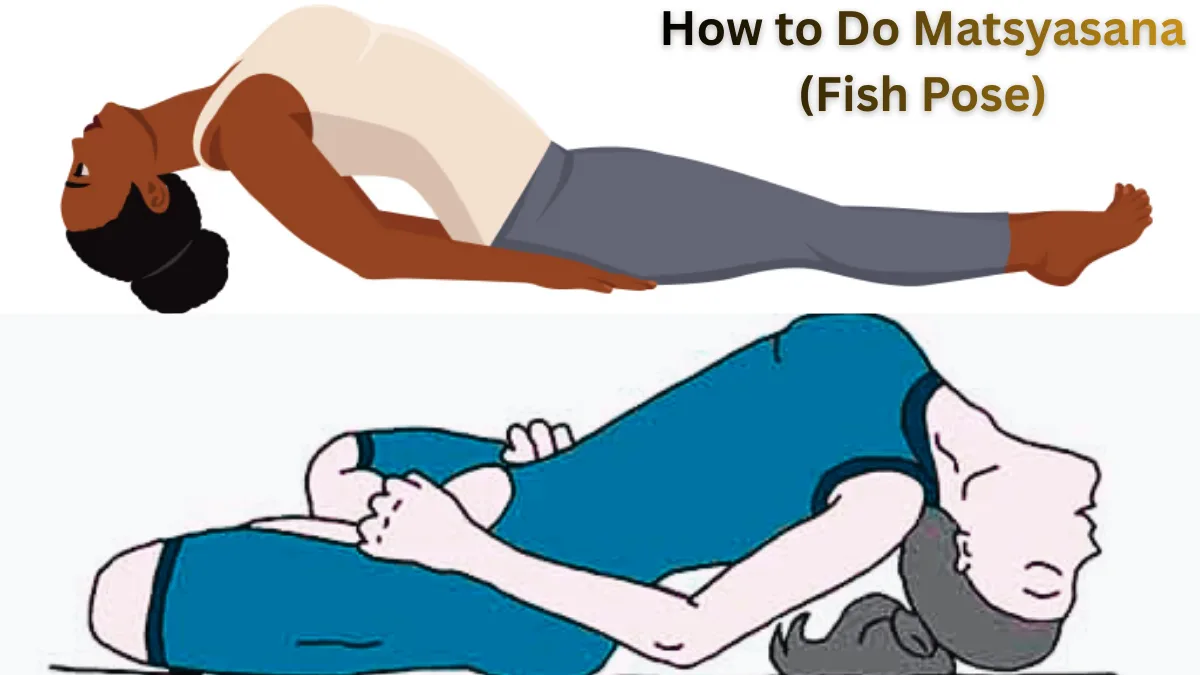
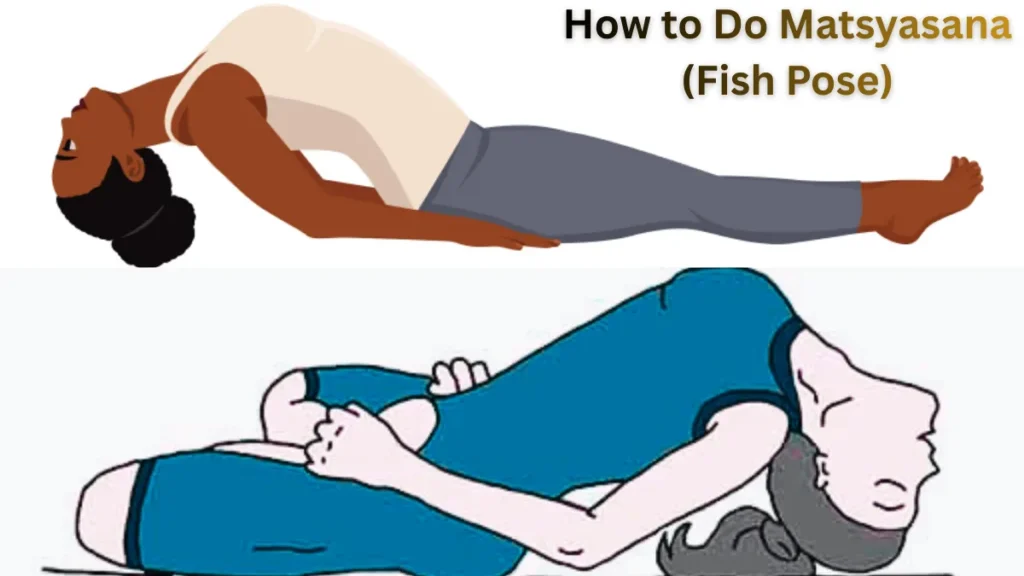
How to do Matsyasana
Matsyasana : Modern life often leaves us with tight shoulders, shallow breathing, and constant mental stress. Yoga offers simple postures that can restore balance naturally, and Matsyasana, or Fish Pose, is one of them. This gentle back-bending asana opens the chest, improves posture, and refreshes both the body and mind when practiced mindfully.
Let’s understand how to practice Matsyasana step by step, along with its benefits, breathing method, and important safety tips.
Understanding Matsyasana (Fish Pose)
Matsyasana is derived from Sanskrit, where Matsya means fish and Asana means posture. The pose symbolizes a fish floating effortlessly in water. Traditionally, Matsyasana is practiced as a counter-pose to forward bends and seated postures, helping release tension from the spine and neck.
Step-by-Step Guide to Practice Matsyasana
Follow these steps carefully to perform Matsyasana safely and effectively:
- Lie Down Comfortably
Begin by lying flat on your back on a yoga mat. Keep your legs straight and arms relaxed beside the body. - Bend the Knees
Slowly bend both knees and bring your feet closer to your hips. - Cross the Legs
Place the right foot on the left thigh and the left foot on the right thigh, forming a relaxed cross-leg position. - Place the Arms Under the Hips
Slide your hands under your hips with palms facing down. Let the elbows rest on the floor. - Lift the Chest
Inhale deeply and press the elbows into the mat. Gently lift your chest upward and arch the upper back. - Lower the Head Gently
Slowly bring the crown of your head to the floor. The weight should remain on the elbows, not on the neck. - Hold the Pose
Close your eyes and breathe slowly. Hold the posture for 20–30 seconds or as per your comfort level. - Release the Pose
To exit, lift your head slightly, straighten the spine, uncross the legs, and relax in Shavasana.
Key Health Benefits of Matsyasana
Practicing Matsyasana regularly can support overall health in many ways:
- Expands the chest and lungs, improving breathing capacity
- Strengthens the neck, shoulders, and spine
- Stimulates the thyroid and throat region
- Improves digestion and helps reduce bloating
- Reduces stress, fatigue, and anxiety
- Enhances posture and spinal flexibility
Proper Breathing During Matsyasana
Breathing should be slow and controlled:
- Inhale deeply while lifting the chest
- Maintain steady, relaxed breathing while holding the pose
- Exhale gently while coming out of the posture
Mindful breathing helps deepen relaxation and increases the pose’s benefits.
Precautions and Who Should Avoid Matsyasana
Matsyasana is generally safe but should be avoided or modified if you have:
- Neck or lower back injuries
- Severe cervical spondylosis
- High or low blood pressure
- Frequent migraines or dizziness
Always practice within your limits and consult a yoga professional if unsure.
Best Time and Duration to Practice
- Practice on an empty stomach, preferably in the morning
- Evening practice is also fine, at least 4–5 hours after meals
- Beginners can start with 15–20 seconds and gradually increase duration
Final Words
Matsyasana is a calming and rejuvenating yoga pose that supports better breathing, posture, and mental clarity. When practiced with awareness and consistency, it can bring noticeable improvements in physical comfort and emotional balance. Focus on gentle movement, steady breathing, and regular practice to experience its full benefits.
Make Matsyasana a mindful part of your daily yoga routine and let your body open, breathe, and heal naturally.
Matsyasana,#FishPose,#YogaMakesHealthy,#YogaAsana,#DailyYoga,#YogaBenefits,#HealthyLiving,#MindBodyWellness,#YogaForBeginners,#IndianYoga